Parking Lift Maintenance 101: How to Keep Your Lift Safe and Running Long-Term

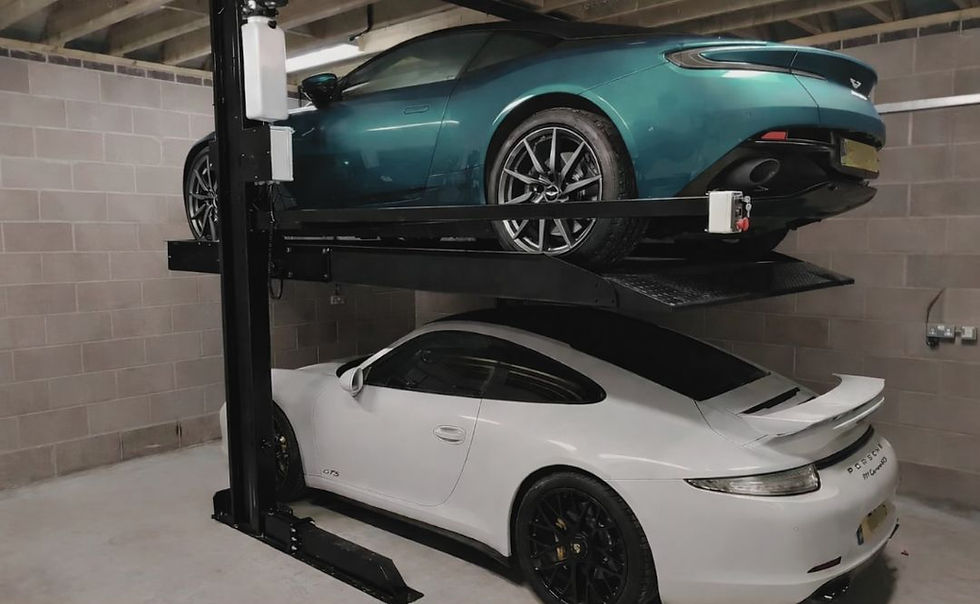
A parking lift is built to last — but only if it’s properly maintained. Neglecting routine upkeep can lead to safety risks, costly repairs, and a shortened lifespan for your system. Whether you have a 2-post residential lift or an underground car elevator, consistent maintenance is the key to getting the most out of your investment.
At Nelca Systems, we supply parking lifts and work with a professional network of installers across the country. This guide covers the essential maintenance tasks every owner should know.
Monthly Maintenance Tasks
You don’t need to be a technician to perform these basic monthly checks:
• Visual inspection: Look for visible wear, cracks, or corrosion on posts, arms, and welds.
• Safety lock test: Raise the lift, then trigger the safety locks and verify they engage properly.
• Hydraulic fluid check: For hydraulic lifts, inspect fluid levels and look for any leaks around the cylinder and hoses.
• Cable and pulley inspection: On cable-driven systems, check for fraying, kinking, or uneven tension.
• Control system: Test all controls for responsiveness. Any delayed or erratic movement should be investigated promptly.
Annual Professional Service
In addition to your own regular checks, we recommend an annual inspection by a certified technician. During a professional service visit, the technician will:
• Lubricate all moving parts including pulleys, cables, and locking mechanisms
• Inspect and tighten all anchor bolts in the concrete floor
• Test load capacity and verify safety systems perform to specs
• Check electrical connections and motor performance
• Replace worn parts before they become safety issues
Winter Maintenance Tips (Important for Canadian Climates)
Canada’s winters can be hard on any mechanical system. Here are a few cold-weather specific tips:
• Use cold-rated hydraulic fluid: Standard hydraulic fluid can thicken in extreme cold, slowing lift operation. Ensure your system is filled with fluid rated for Canadian winters like ATF.
• Keep the area around the lift clear: Remove snow, ice, and salt buildup — especially near anchor points.
• Inspect seals and gaskets more frequently in winter: Temperature fluctuations cause expansion and contraction that can loosen fittings.
Warning Signs You Shouldn’t Ignore
If you notice any of the following, stop using the lift immediately and contact a technician:
• Uneven or jerky movement during raising or lowering
• Unusual grinding, squeaking, or clicking sounds
• Safety locks that don’t engage or disengage smoothly
• Oil spots or fluid pooling under the lift
• Visible damage to posts, welds, or structural components
Need a parking lift service visit?
Nelca Systems will connect you with a certified installer near you — whether it's a routine annual inspection or something that needs a closer look.
Contact us and we'll find the closest professional in our network for you.
Comments